The Future of Money
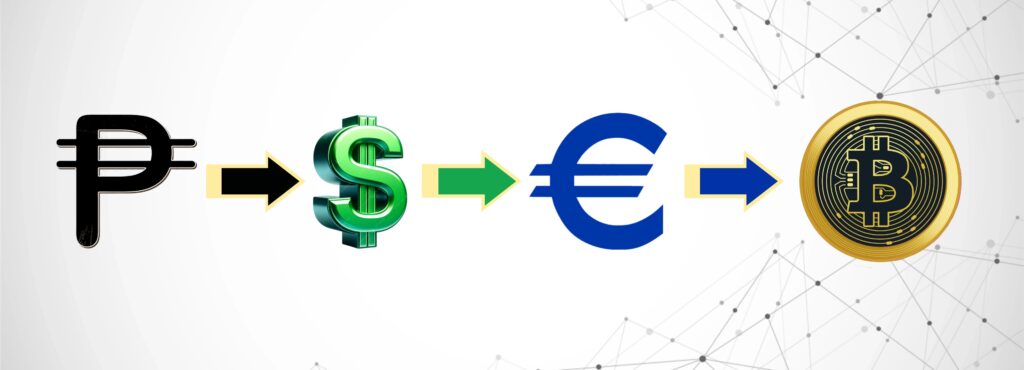
The landscape of money is undergoing a profound transformation, driven by technological advancements and evolving consumer preferences. As we move further into the 21st century, concepts such as tokenization, stablecoins, cross-border payments using cryptocurrency, blockchain technology, decentralized finance (DeFi), and the Internet of Value are reshaping how we perceive and utilize money.
Tokenization: Reshaping Assets
Tokenization refers to the process of converting rights to an asset into a digital token on a blockchain. This innovation allows for the representation of both tangible and intangible assets, such as real estate, art, and intellectual property, in a digital format. The benefits of tokenization are manifold including
enhancing liquidity for traditionally illiquid assets. For instance, real estate can be fractionalized, allowing multiple investors to own a share of a property without the need for large capital outlays.
Tokenization also democratizes access to investment opportunities. Individuals who previously could not afford to invest in high-value assets can now participate through fractional ownership.
As regulatory frameworks evolve, tokenization is expected to gain traction, potentially leading to a more inclusive financial ecosystem.
Stablecoins: cryptocurrencies
Stablecoins are cryptocurrencies designed to maintain a stable value by pegging them to a reserve asset, typically a fiat currency like the US Dollar. They serve as a bridge between traditional finance and the burgeoning world of digital currencies.
Unlike traditional cryptocurrencies such as Bitcoin, which experience significant price fluctuations, stablecoins provide a more stable medium of exchange. This stability makes them attractive for everyday banking transactions and remittances facilitating
near-instantaneous transactions across borders, significantly reducing the time and costs associated with traditional banking systems.
Stablecoins enable users to transact globally without the constraints of local currency limitations, providing a seamless experience for international payments.
In 2024, stablecoins processed approximately $32 trillion in transactions, highlighting their growing significance in the global financial landscape. Projections indicate that stablecoins could capture a 20% share of global cross-border payments by 2030, underscoring their potential to revolutionize how money moves across borders.
Cross-Border Payments also use other types of cryptocurrencies offering a faster, cheaper, and more efficient alternative to traditional fund transfer and remittance systems which are particularly advantageous for businesses that require timely payments to maintain cash flow.
Cryptocurrencies operate on decentralized networks, eliminating the need for intermediaries such as banks. This reduces the risk of single points of failure and enhances transaction security.
As more businesses and consumers adopt cryptocurrencies for cross-border payments, the traditional banking system may need to adapt to crypto technology to remain competitive.
Blockchain Technology: The Backbone of Financial Innovation
Blockchain technology serves as the foundational infrastructure for many of the innovations discussed. It is a distributed ledger system that records transactions across multiple computers, ensuring transparency, security, and immutability. The implications of blockchain for the future of money include enhanced security
resistant to hacking and fraud. Each transaction is cryptographically secured and linked to previous transactions, creating a tamper-proof record.
All participants in a blockchain network have access to the same information, fostering trust among users. This transparency is particularly beneficial in industries such as supply chain management and finance, where accountability is crucial.
It has a self-executing contracts with the terms of the agreement directly written into code automate processes and reduce the need for intermediaries. This can streamline various financial operations, from lending to insurance.
As blockchain technology matures, its applications are expected to expand beyond cryptocurrencies, influencing various sectors, including finance, healthcare, and logistics.

Decentralized Finance (DeFi): A New Financial Paradigm
DeFi represents a shift from traditional financial systems to decentralized alternatives built on blockchain technology. It encompasses a range of financial services, including lending, borrowing, trading, and insurance, all conducted without intermediaries. The advantages of DeFi include accessibility
removing barriers to entry for individuals who may not have access to traditional banking services.
Users retain control over their assets and transactions, reducing reliance on centralized institutions.
The DeFi space is characterized by rapid innovation, with new protocols and services emerging regularly.
However, DeFi also presents challenges, including regulatory uncertainty and security risks associated with smart contracts. As the sector evolves, it will be crucial to establish frameworks that protect users while fostering innovation.
The Internet of Value: A New Era of Financial Transactions
As an ex-banker, the potential of IoV intrigues me as much as it is mind boggling. The concept of the Internet of Value (IoV) refers to the ability to transfer value in the same way we transfer information over the internet. This paradigm shift is made possible by blockchain technology and cryptocurrencies, enabling instant, secure, and borderless transactions. The implications of the IoV for the future of money are profound. IoV allows for real-time transactions without the need for intermediaries, reducing costs and increasing efficiency. This is particularly beneficial for cross-border payments, where traditional systems often face delays and high fees.
With the IoV, money can be programmed to execute specific actions automatically based on predefined conditions. This feature enhances the functionality of smart contracts and enables innovative financial products and services.
The IoV has the potential to bring financial services to the unbanked and underbanked populations worldwide. By leveraging mobile devices and blockchain technology, individuals can access financial services without the need for traditional banking infrastructure.
The IoV fosters the emergence of new business models that prioritize transparency, security, and user control. Companies can create decentralized applications (dApps) that operate on blockchain networks, offering innovative solutions to traditional financial challenges.
As the IoV continues to evolve, it will reshape the global financial landscape, creating new opportunities for individuals and businesses alike.
Conclusion
The future of money is being shaped by technological advancements that promise to enhance efficiency, accessibility, and security in financial transactions. Tokenization, stablecoins, cross-border payments using cryptocurrency, blockchain technology, DeFi, and the Internet of Value are at the forefront of this transformation. As these innovations continue to develop, they have the potential to create a more inclusive and efficient financial ecosystem, fundamentally altering how we perceive and interact with money. The ongoing evolution of regulatory frameworks will play a critical role in determining the trajectory of these technologies, ensuring that they can coexist with traditional financial systems while addressing the needs of a rapidly changing global economy.
Rogelio Saldo Chua
Contributor