Un Septembre Extraordinaire
I am writing this editorial from Paris where I and my family attended the Mass of Pope Leo at Place de la Concorde from the vantage point of a well positioned huge video screen beside the Arc de Triomphe where we got a pass amidst the entry of thousands of people along Champs Elysees on September 26. I am truly enthralled by how the Pope has energized the youth of France !
Our September issue ushers a profound intersection of the spiritual and the aesthetic. This month is designated as the Season of Creation by Pope Leo. This period demands that we step away from life’s frenzy to listen deeply to the world that surrounds us.
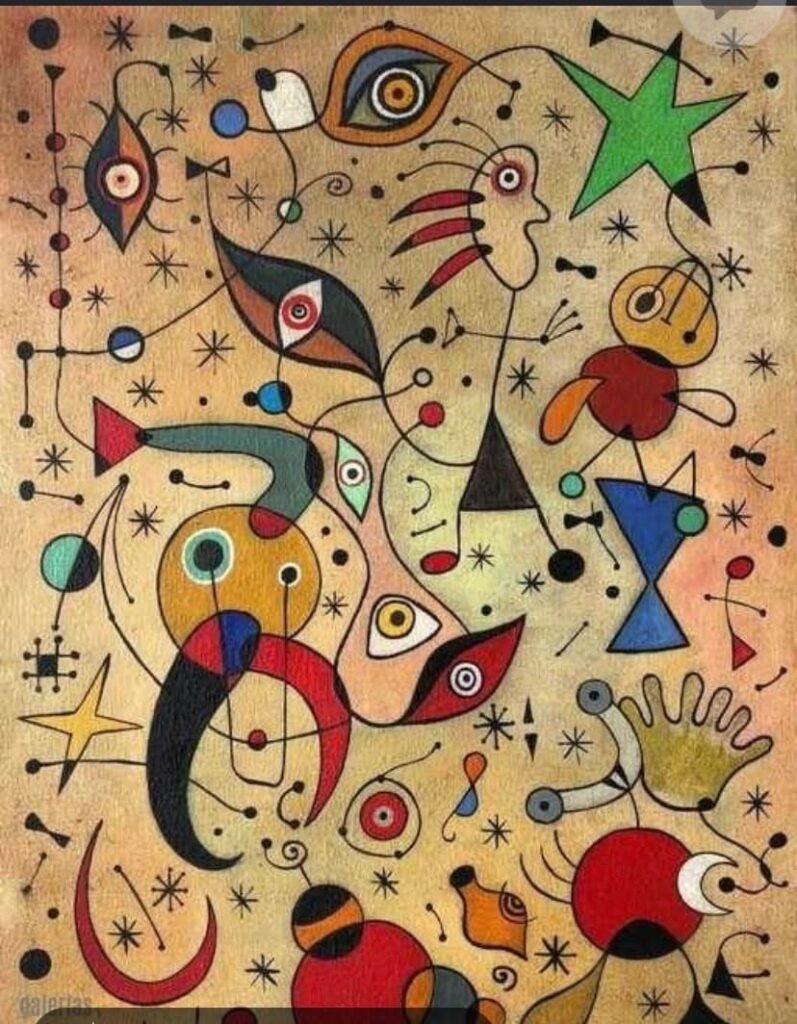
The spiritual call for the care of the planet finds a striking visual image in art , specifically through Joan Miró’s monumental masterpiece, The Birth of the World. Miró described his raw, sprawling canvas as a “sort of genesis,” where chaotic splatters of paint resolve into a living universe.
This cosmic genesis transforms from an objective reality into a deeply personal event that I experienced in a makeshift theater event about Brussels through the mechanics of immersive theater. By dismantling the traditional stage, immersive art activates a unique internal echo within the spectator.
We no longer merely observe God’s creation or Miró’s abstract universe; we step inside them, completing the artwork through our own human resonance and become active co-creators of meaning.
Rogelio S Chua
Editor