The rapid evolution of the Fourth Industrial Revolution has positioned the tokenization of Real-World Assets (RWAs)—such as real estate, corporate bonds, commodities, and fine art—as a cornerstone of the new global financial order. By converting physical property and traditional financial instruments into digital tokens on a blockchain, tokenization introduces unprecedented efficiency, fractional ownership, and 24/7 liquidity.
This content is locked.
Only members can access this page, please register or login.
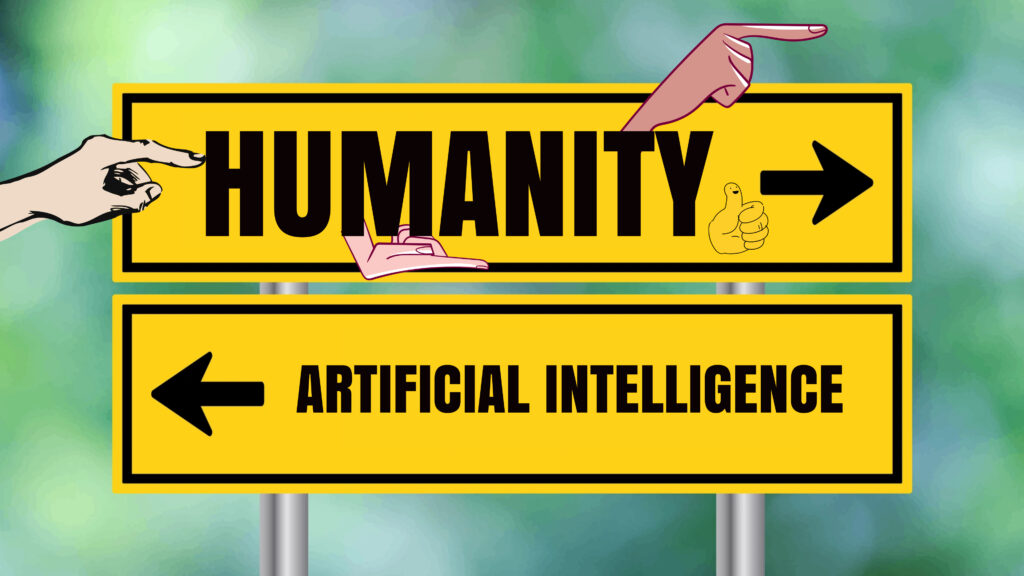
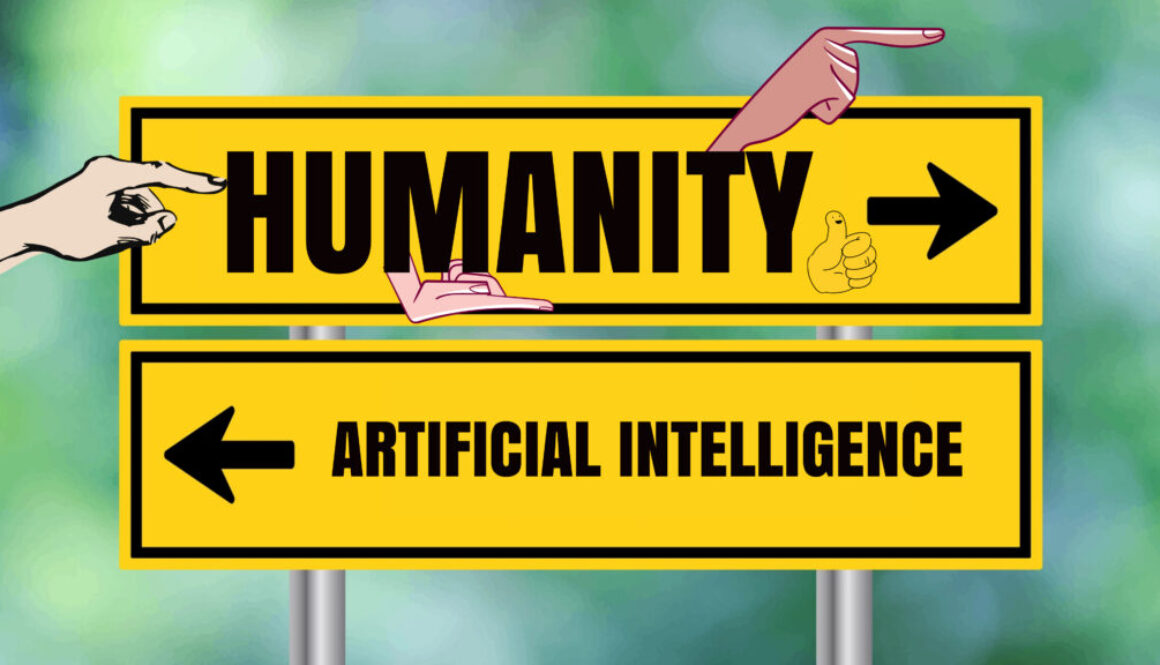
Artificial intelligence is already here. It is shaping the way people study, work, communicate, and even understand themselves. From search engines and writing tools to automated systems that recommend, predict, and answer questions, AI has become part of ordinary life. For many, it is a sign of progress that helps human beings achieve their daily tasks.
This content is locked.
Only members can access this page, please register or login.
The North Pole is at the northern end of the earth’s axis, considered the top of the globe. The North Pole is a cluster of blocks of ice formed from sea water floating in the middle of a frozen ocean, called the Arctic Ocean. It sits atop a constantly shifting sea ice over open water.
This content is locked.
Only members can access this page, please register or login.
The world is now facing significant environmental issues daily. The era of urbanization and industrialization have led to massive pollution causing industries, affecting fast and widespread consumption of social and environmental resources, resulting to health-related issues. These seemingly progressive identifiers had led to huge exploitation of raw materials eventually leading to unequal distribution of income and wealth opportunities globally.
This content is locked.
Only members can access this page, please register or login.
The financial landscape is undergoing a tectonic shift. Traditionally, high-value assets like commercial real estate, fine art, and private equity have been “illiquid”—meaning they are difficult to buy or sell quickly without significant price concessions. Real-World Asset (RWA) tokenization is changing this by using blockchain technology to convert physical and traditional financial assets into digital tokens.
This content is locked.
Only members can access this page, please register or login.
The Multi-Stage Transformation
This transformation is a sophisticated multi-stage workflow that bridges the gap between legal ownership in the physical world and digital efficiency in the virtual one.
The journey begins long before a single line of code is written. Because blockchains are digital ledgers, they have no inherent “awareness” of real world physical property. To bridge this gap, a robust legal framework must be established from asset selection and valuation to the creation of a special purpose vehicle who owns the tokenized asset.
Professional third-party appraisers are brought in to provide a fair market valuation, which serves as the “anchor” price for the initial token offering.
The Digital Realm
Once the legal foundation is laid, the asset moves into the digital realm. With the asset secured and valued, developers then build the technical layer.
A token standard based on the asset type is chosen. For example, fungible commodities asset like gold, oil, and wheat uses ERC-20. Acfungible securities asset like stocks, bonds, treasury bills and mutual fund shares uses ERC-3643. A non-fungible asset like real estate, paintings, an antiques will use ERC-721.
These standards are “permissioned,” meaning they allow the issuer to bake compliance rules directly into the token’s code. For example, a token can be programmed to refuse a transfer if the buyer hasn’t passed a KYC check.
The “brain” of the token is the smart contract. This code automates the lifecycle of the asset. It manages minting the specific number of tokens, revenue distribution, and governance like allowing token holders to vote on decisions related to the underlying asset.
Bridging Information
A common pitfall in tokenization is the “data gap.” If a building burns down or a bond’s interest rate changes, the blockchain needs to know.
Oracles act as the bridge between off-chain data and on-chain tokens. For instance, chainlink oracles can provide real-time valuation updates or verify that a physical asset is still insured. This ensures that the digital token always reflects the true state of the real-world asset, maintaining investor trust and market stability.
The Choice of Blockchain
While the asset is “ready,” your choice of blockchain determines its reach and compliance:
Ethereum: The standard for institutional-grade RWA (Real-World Assets), hosting major funds like BlackRock’s BUIDL. It offers the most liquidity but higher transaction costs.
Polygon: A popular choice for scaling; firms like Franklin Templetonuse it to keep share-ledger costs low while staying within the Ethereum ecosystem.
Avalanche: Known for “Evergreen” subnets, which are private, permissioned chains that allow institutions to meet strict regulatory requirements while still using blockchain tech.
XRP Ledger (XRPL): Primarily used for tokenized commodities and cross-border settlements. Its new Multi-Purpose Token (MPT)standard (2025/2026) is designed for high-volume assets like gold or carbon credits.
The IPO
The tokens are offered to investors through a platform or marketplace. This is similar to an Initial Public Offering (IPO) but with much lower overhead. Because tokens can be “fractionalized,” an investor might buy $1,000 worth of a $100 million building. This democratizes access to institutional-grade investments that were previously reserved for the ultra-wealthy.
Unlocked Liquidity
The true value of tokenization is liquidity.
Unlike traditional real estate, which can take months to sell, tokenized RWAs can be traded on secondary marketplaces 24/7. Investors can exit their positions by selling their tokens to other verified users instantly.
Once an asset is tokenized, it can be used within Decentralized Finance (DeFi) protocols. For example, a holder of a tokenized gold bar could use that token as collateral to take out a stablecoin loan. This allows the investor to access capital without having to sell their underlying asset.
A More Efficient Global Economy
The workflow of RWA tokenization is more than just a technical process; it is a re-imagining of how value moves throughout the world. By combining legal rigor with blockchain automation, we move from a world of “siloed” assets to a fluid, global marketplace.
As the infrastructure matures and regulatory clarity improves, the tokenization workflow will become the standard operating procedure for all global assets, leading to a financial system that is more transparent, accessible, and efficient for everyone.
Rogelio Saldo Chua Contributor
References:
BlackRock. (2024, March 20). BlackRock USD Institutional Digital Liquidity Fund (BUIDL). RWA.xyz.rwa.xyz
ERC-3643 Association. (2025). Whitepaper: ERC-3643 – The Official smart contract standard for permissioned tokens [White paper]/. Tokeny Solutions. tokeny.com
Rip[ple. (2025, October). The future of asset tokenization: Multi-purpose tokens on the XRP Ledger [White paper]. XRPL.org.
Think calendar. And think of 365 days, 12 months. 30 days in September, April, June and November, the rest have 31 days, except February 28 days. But the calendar is more than just numbers and days. It is scientific, faith driven and guided by norms and behaviour.
This content is locked.
Only members can access this page, please register or login.