Renewable Energy
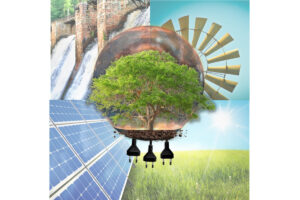
Around 80 percent world energy consumption is from fossil fuels, while only 10 percent is from renewable energy. We can define RE as energy generated from sources that naturally replenish themselves and never run out. The six best known/popular RE sources are:

Understanding Biodiversity
Biological diversity (biodiversity), essentially defined as the existence of millions of species in various ecosystems and the interrelationship among these ecosystems, has, since industrialization took hold of planet earth, witnessed changes in landscape, seascape and the skies. These were brought about by various forms of disturbances, one being natural in nature (biological), essentially the major type of disturbance prior to global industrialization and then subsequently becoming more a result of human action (non-biological) in the 19th, 20th and 21st centuries. Surprisingly what took millions of years for earth to nurture the richness in biodiversity, which man’s forefathers had the luxury to enjoy, took man only 300 or so years to exploit nearly to the point of extinction. Based on a thorough analysis of relevant evidences, the five direct drivers of change in nature, with the largest relative impact are, in descending order, (1) changes in land and sea use, (2) direct exploitation of organisms, (3) climate change, (4) pollution and (5) invasive alien species.[1]

WFH In The New Normal
To a friend in Advertising, the pandemic turned out to be a catalyst to a happy first born motherhood. She got married and gave birth in the first quarter of Covid 19. She took advantage of her maternity leave and saw the growing of her child. After which, she opted…

Covid 19 Viral Inoculum
The world has rapidly become much more vulnerable to contagions, most critically, to the widespread, which has now become global, of both old and infectious diseases (AIDS, ebola, the common flu, tuberculosis, MERS, the present-day SARS and its variant SARS COV 2 – alpha, delta, omicron, IHU). The spread comes as no surprise as the 20th and 21st centuries have seen dramatic increases in the worldwide movement of people at a speed we have not witnessed previously.

Hybrid Learning: Merits, Opportunities and Challenges
Prior to the onset of the pandemic, a number of colleges and universities worldwide were already considering or are slowly shifting to the use of hybrid or blended form of learning, a combination of face-to-face with online learning, intended to extend the reach and coverage of acquisition of knowledge and learning experience among college and graduate students.
Organic Farming Revisited
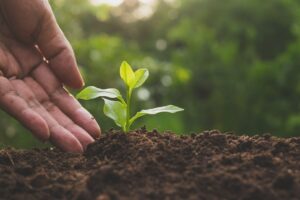
The UN estimates that in just three decades, the world population will increase by 2 billion, making it 9.7 billion human inhabitants on Earth by 2050. By 2100, that number is projected to be 10.8 billion. How do we feed that many people without overwhelming the planet?
Think Again
I have been a business analytics practitioner since 2006. And if there is any cumulative learning gained over the years, it can be sum up in the injunction to “Think Again”.
Groceries Online
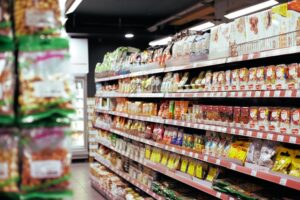
Online shopping became a bit of a craze at the turn of the twenty-first century and has become practically a part of one’s daily lives with the advent of the smart phone and increased connected commerce. Shopping digitally has become one of the most disruptive trends in the last few years and a game changer during this pandemic. Despite the known convenience and safety advantages of online shopping, there are still many so-called avoiders (Nielsen, 2017) whom e-retailers may try to challenge to get on board and become considerers, then trialists, and hopefully regulars. Products and services, the main objects for e-retailing, come in many forms, but can be categorized as consumables, non-consumables, durables, and perishables.
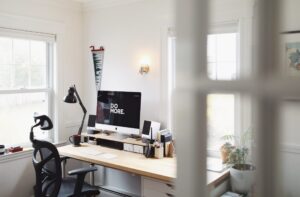
5 Essentials for the “Perfect” Workstation
In the business of making well-designed ergonomic tools for the workspace for more than 35 years, Humanscale and its team of certified ergonomists know that the ideal workstation is about more than just a beautiful chair or desk.