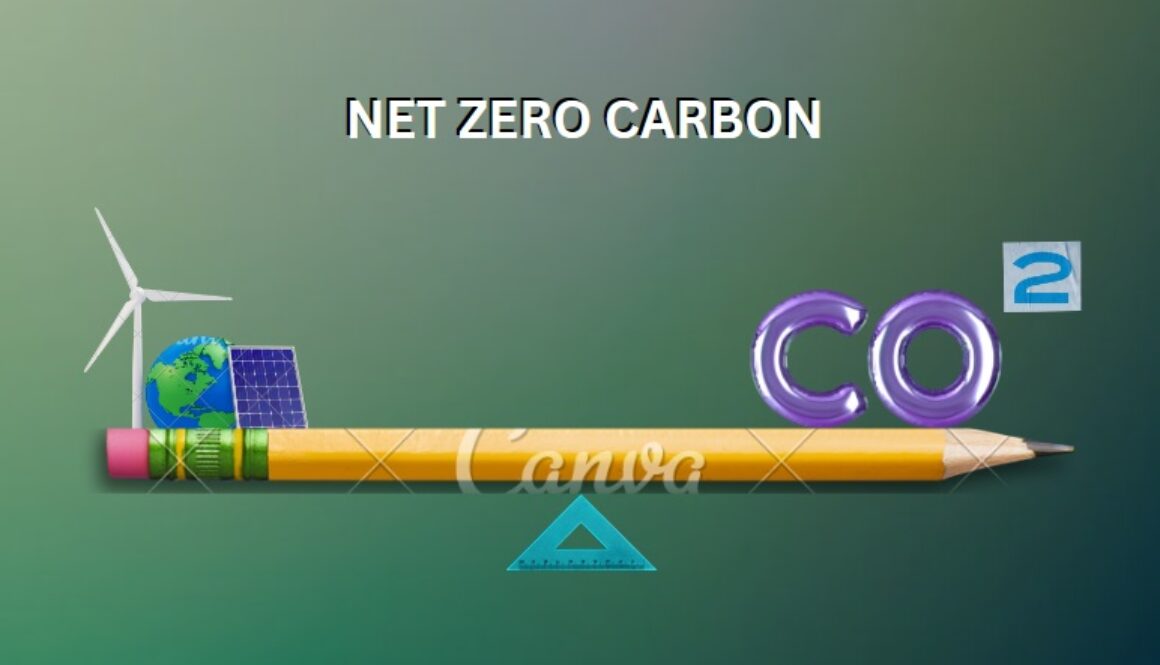
Renewable Energy
This content is locked.
Only members can access this page, please register or login.
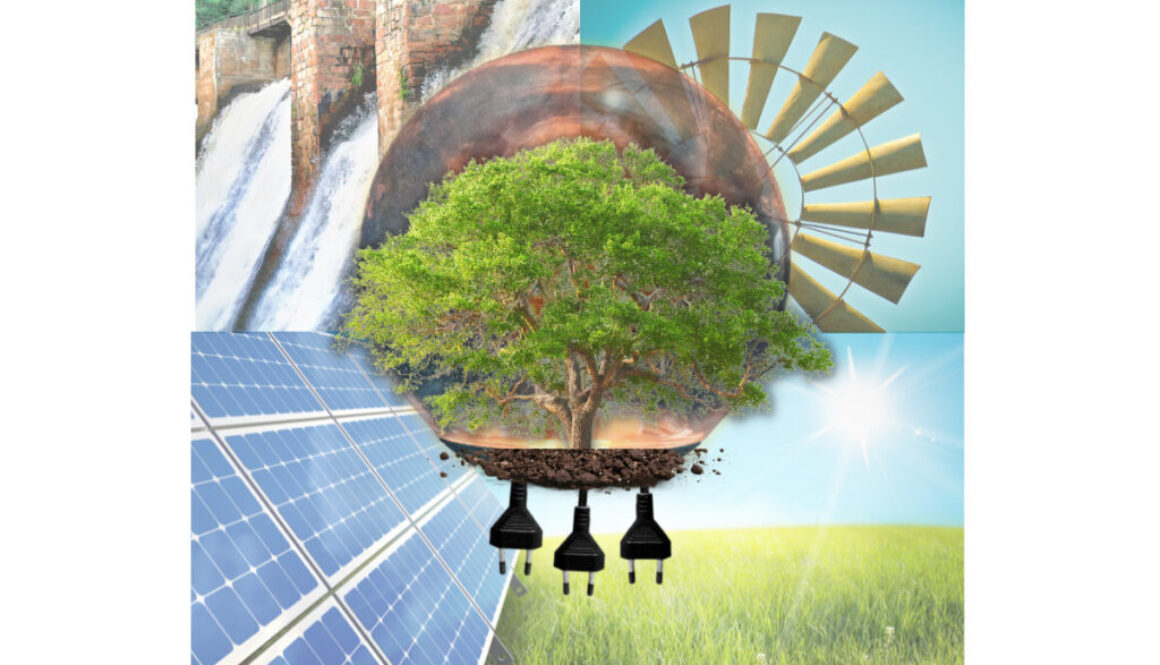
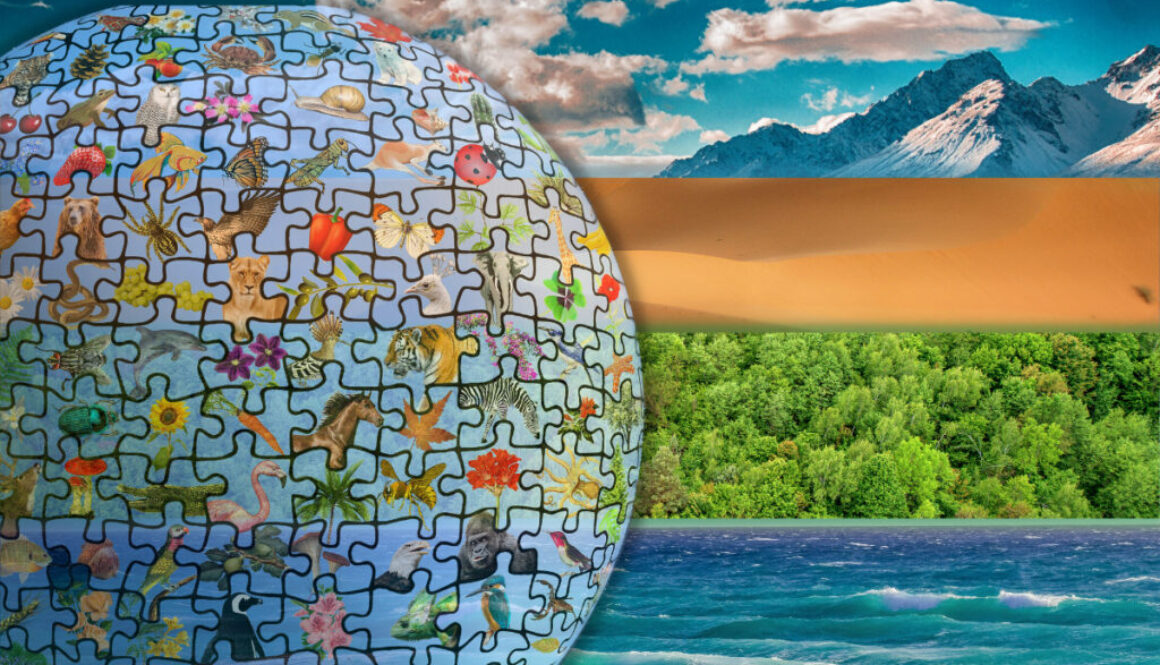
Biological diversity (biodiversity), essentially defined as the existence of millions of species in various ecosystems and the interrelationship among these ecosystems, has, since industrialization took hold of planet earth, witnessed changes in landscape, seascape and the skies. These were brought about by various forms of disturbances, one being natural in nature (biological), essentially the major type of disturbance prior to global industrialization and then subsequently becoming more a result of human action (non-biological) in the 19th, 20th and 21st centuries. Surprisingly what took millions of years for earth to nurture the richness in biodiversity, which man’s forefathers had the luxury to enjoy, took man only 300 or so years to exploit nearly to the point of extinction. Based on a thorough analysis of relevant evidences, the five direct drivers of change in nature, with the largest relative impact are, in descending order, (1) changes in land and sea use, (2) direct exploitation of organisms, (3) climate change, (4) pollution and (5) invasive alien species.[1]

Only members can access this page, please register or login.
To a friend in Advertising, the pandemic turned out to be a catalyst to a happy first born motherhood. She got married and gave birth in the first quarter of Covid 19. She took advantage of her maternity leave and saw the growing of her child. After which, she opted for working from home. It suited her job in Account Management and interacted with her clients via Zoom or Viber.
Only members can access this page, please register or login.

The world has rapidly become much more vulnerable to contagions, most critically, to the widespread, which has now become global, of both old and infectious diseases (AIDS, ebola, the common flu, tuberculosis, MERS, the present-day SARS and its variant SARS COV 2 – alpha, delta, omicron, IHU). The spread comes as no surprise as the 20th and 21st centuries have seen dramatic increases in the worldwide movement of people at a speed we have not witnessed previously.
Only members can access this page, please register or login.

Hybrid Learning: Merits, Opportunities and Challenges
Prior to the onset of the pandemic, a number of colleges and universities worldwide were already considering or are slowly shifting to the use of hybrid or blended form of learning, a combination of face-to-face with online learning, intended to extend the reach and coverage of acquisition of knowledge and learning experience among college and graduate students.
Only members can access this page, please register or login.

The UN estimates that in just three decades, the world population will increase by 2 billion, making it 9.7 billion human inhabitants on Earth by 2050. By 2100, that number is projected to be 10.8 billion. How do we feed that many people without overwhelming the planet?
Only members can access this page, please register or login.

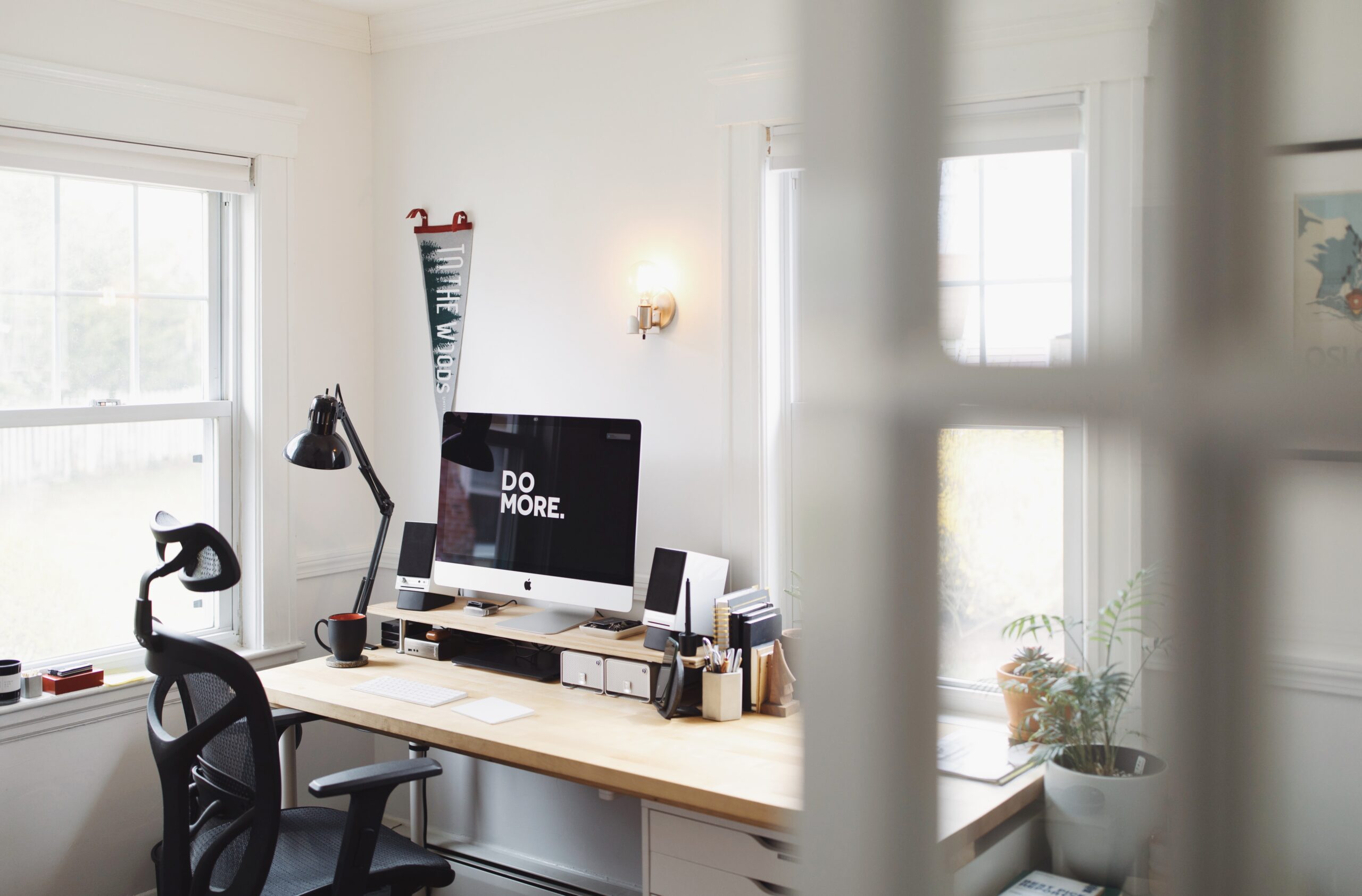
In the business of making well-designed ergonomic tools for the workspace for more than 35 years, Humanscale and its team of certified ergonomists know that the ideal workstation is about more than just a beautiful chair or desk. There are a number of key factors to consider to ensure that a workstation is functional and adaptable, as well as comfortable and healthy for the user. The leader in sustainable ergonomic tools for work has prepared a checklist to create a better workstation, fit for the home or corporate office.
Only members can access this page, please register or login.